
Feed
Prepared mineral enters through a sealed feeder.
Controlled 5–45 μm mineral powder production with multi-stage rolling, dynamic air classification and a compact closed-circuit system.
*Capacity varies with material, feed size and target fineness.
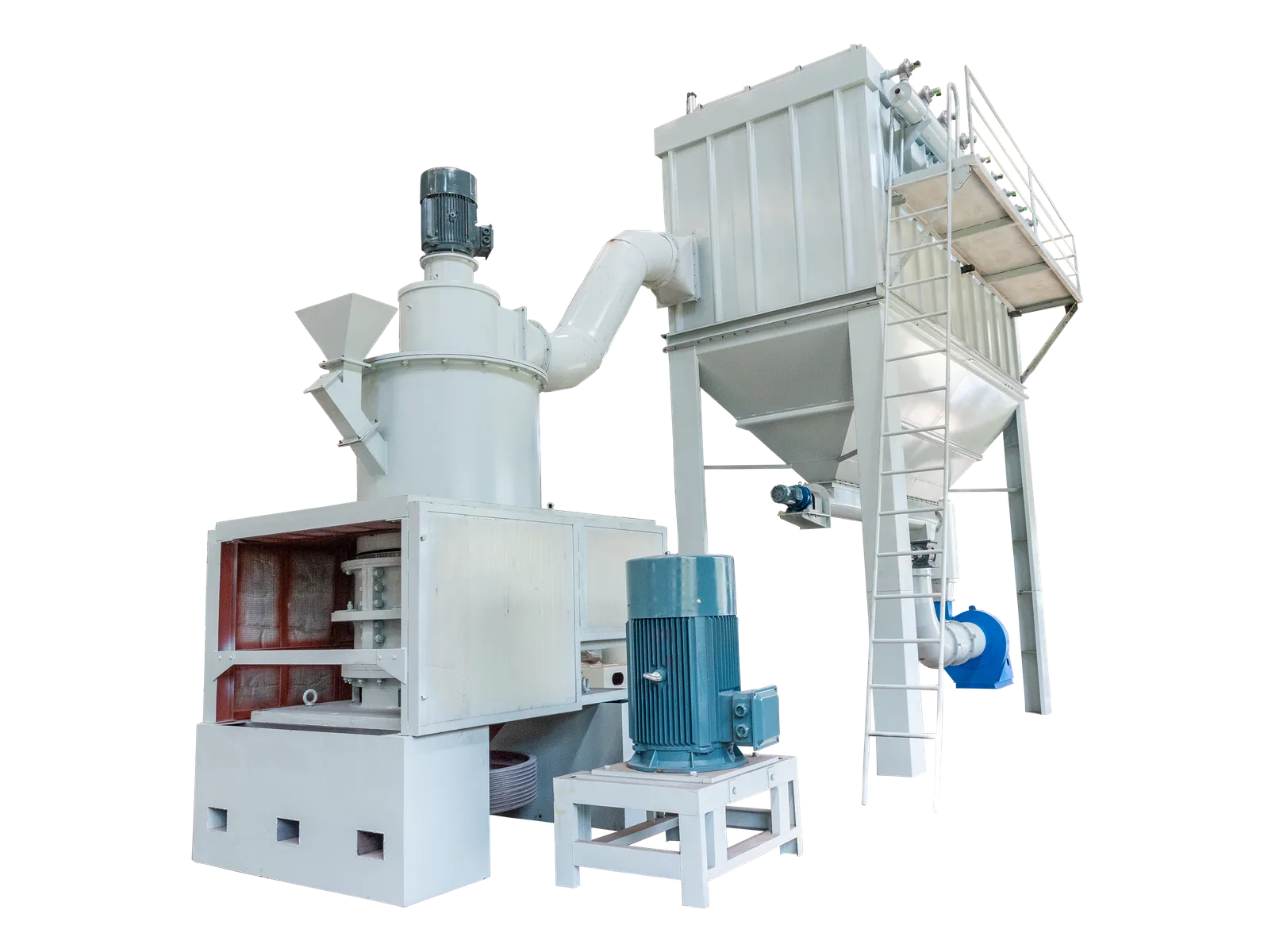
01 / Product overview
The CRGM is a dry ultrafine grinding system designed for brittle, non-flammable mineral feed. Material is repeatedly compressed and sheared between the grinding rollers and rings, then carried upward by air to a dynamic classifier.
Qualified powder passes to the pulse dust collector. Oversize particles return to the grinding zone automatically, creating a stable closed circuit with no separate screening stage.
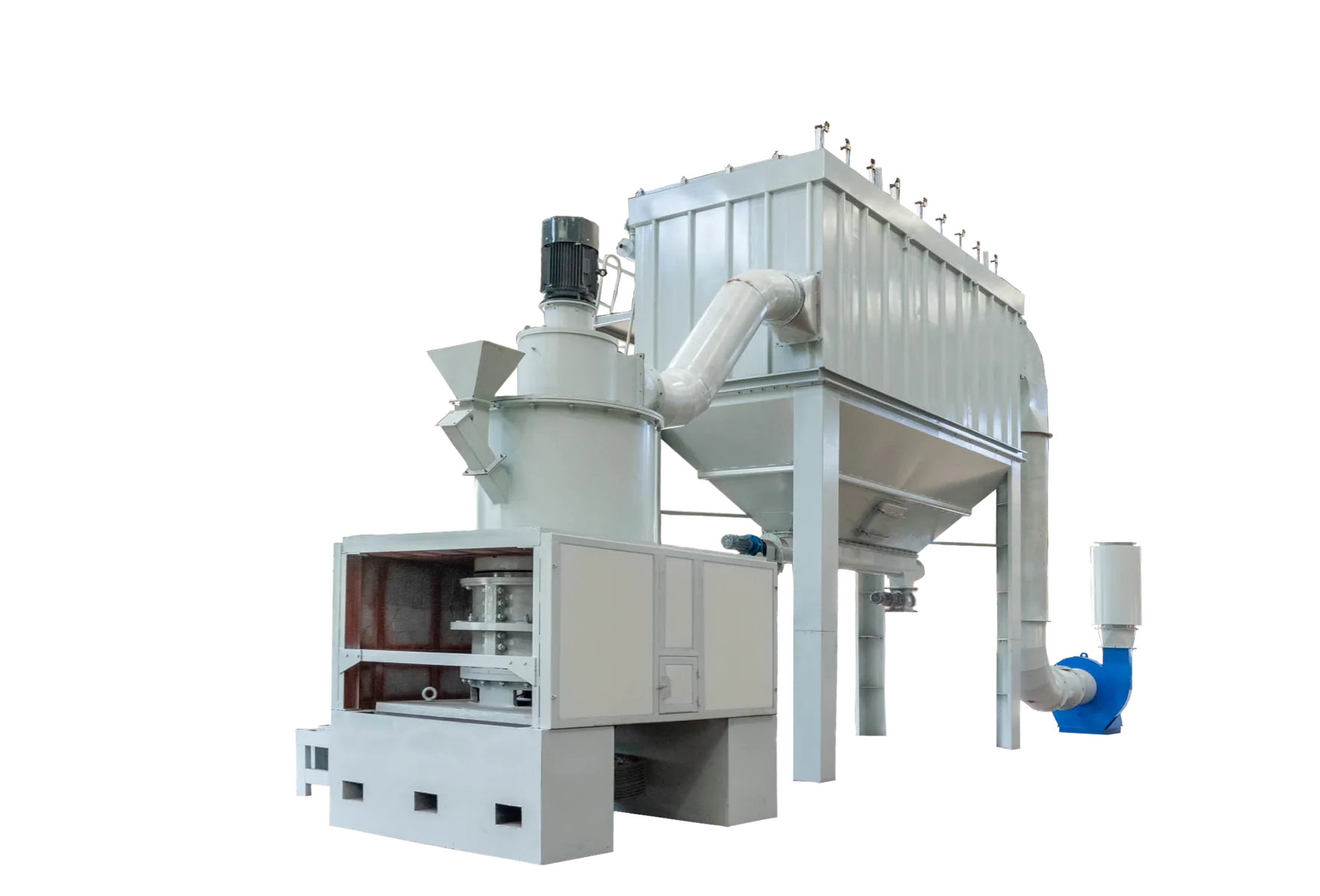
A variable-speed feeder introduces prepared material at a consistent rate, helping the mill maintain a stable load and particle-size distribution.
02 / Technology
From feed control to final collection, each component has a defined job. The result is a compact line with adjustable fineness and low fugitive dust.
Prepared mineral enters through a sealed feeder.
Multiple roller layers generate high-frequency crushing and attrition.
Rotor speed sets the cut point; coarse particles return internally.
Qualified powder is separated in a high-efficiency pulse collector.
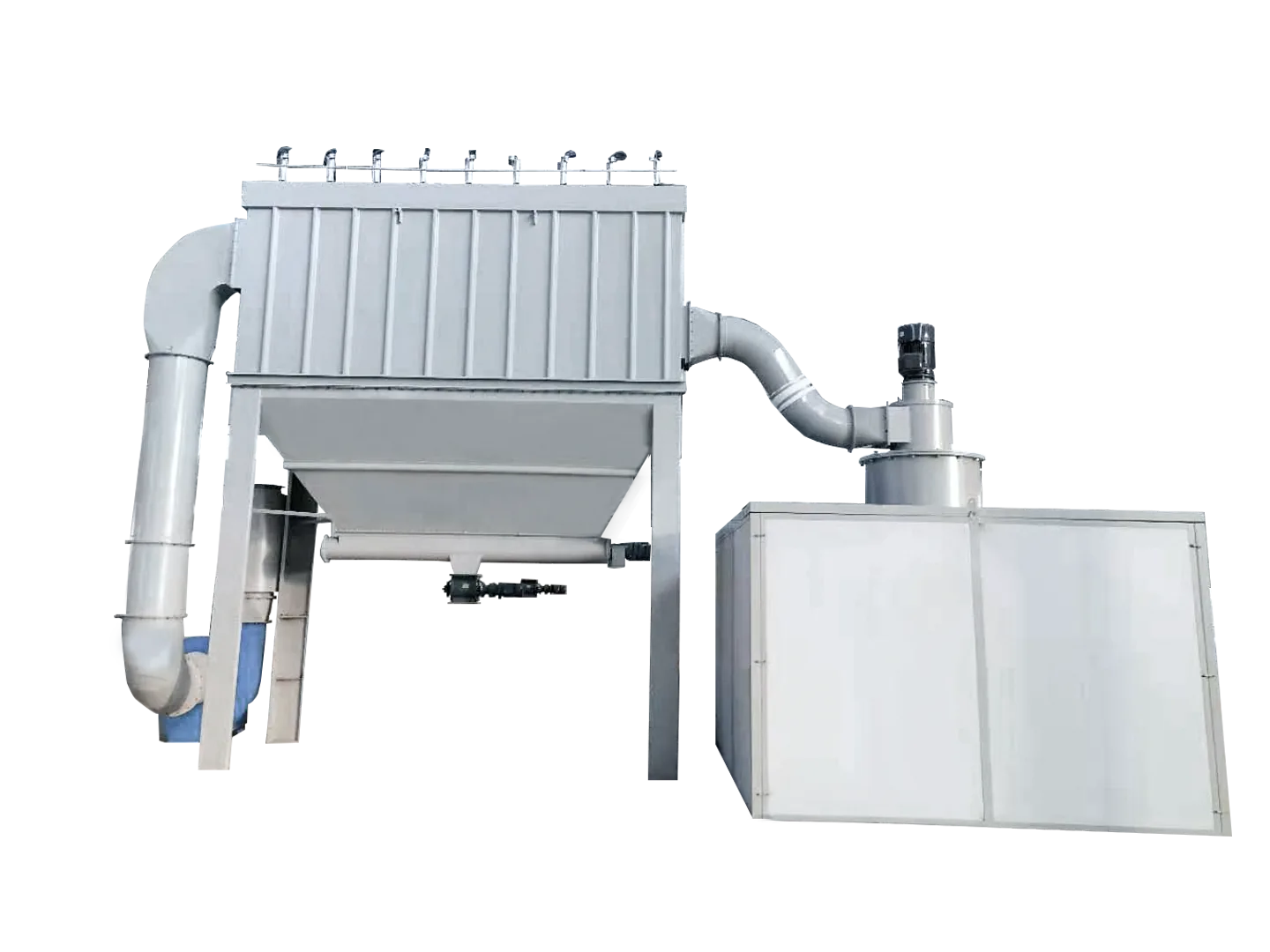
Variable-speed dynamic classification provides a controlled top size and allows fineness adjustment without changing screens.
Multiple roller-and-ring contacts increase the probability of particle breakage within a compact chamber.
Sealed air conveying and pulse filtration reduce dust leakage and simplify material transfer.
Replaceable high-wear components and accessible modules keep routine maintenance predictable.
Centralized electrical control supports interlocks, load monitoring and optional PLC-based production recipes.
03 / Model selection
Choose a starting platform below. Final sizing is confirmed after reviewing grindability, bulk density, moisture, feed size and required particle distribution.
CRGM1000
Suited to specialty mineral powders, market development and plants that prioritize recipe flexibility over maximum throughput.
Typical engineering ranges, not guaranteed values. Final data is confirmed in the technical proposal.
| Parameter | CRGM1000 | CRGM2000 | CRGM3000 |
|---|---|---|---|
| Typical capacity | 0.5–2.0 t/h | 2–6 t/h | 4–12 t/h |
| Typical product fineness | D97 5–45 μm | D97 5–45 μm | D97 5–45 μm |
| Recommended feed size | ≤ 10 mm | ≤ 15 mm | ≤ 20 mm |
| Recommended feed moisture | ≤ 3% | ≤ 3% | ≤ 3% |
| Main mill motor range | 75–90 kW | 185–250 kW | 315–400 kW |
| Classifier motor range | 15–22 kW | 30–45 kW | 55–75 kW |
| Typical roller count* | 18–24 | 24–32 | 32–40 |
| Approx. installed power* | 115–160 kW | 280–380 kW | 480–650 kW |
| Suggested duty | Specialty / pilot | General production | High-volume line |
*Configuration-dependent. Capacity references limestone/calcium carbonate type feed at moderate fineness; harder or finer duties reduce throughput. Ask Cronus for a material-specific selection.
04 / Applications
CRGM systems are selected for non-metallic mineral processing where tight top-size control, clean handling and consistent powder quality matter.
Construction, desulfurization, fillers
Plastics, paper, coatings, sealants
Glass, ceramics, soil treatment
Polymers, coatings, ceramics
Drilling, coatings, dense fillers
Paper, ceramics, rubber
Boards, plaster, cement
Foundry, drilling, absorbents
CRGM is intended for dry, brittle, non-explosive mineral feed. Fibrous, sticky, heat-sensitive, combustible or high-moisture materials require specific evaluation and may need pre-drying, inerting or a different process.
05 / Installed systems
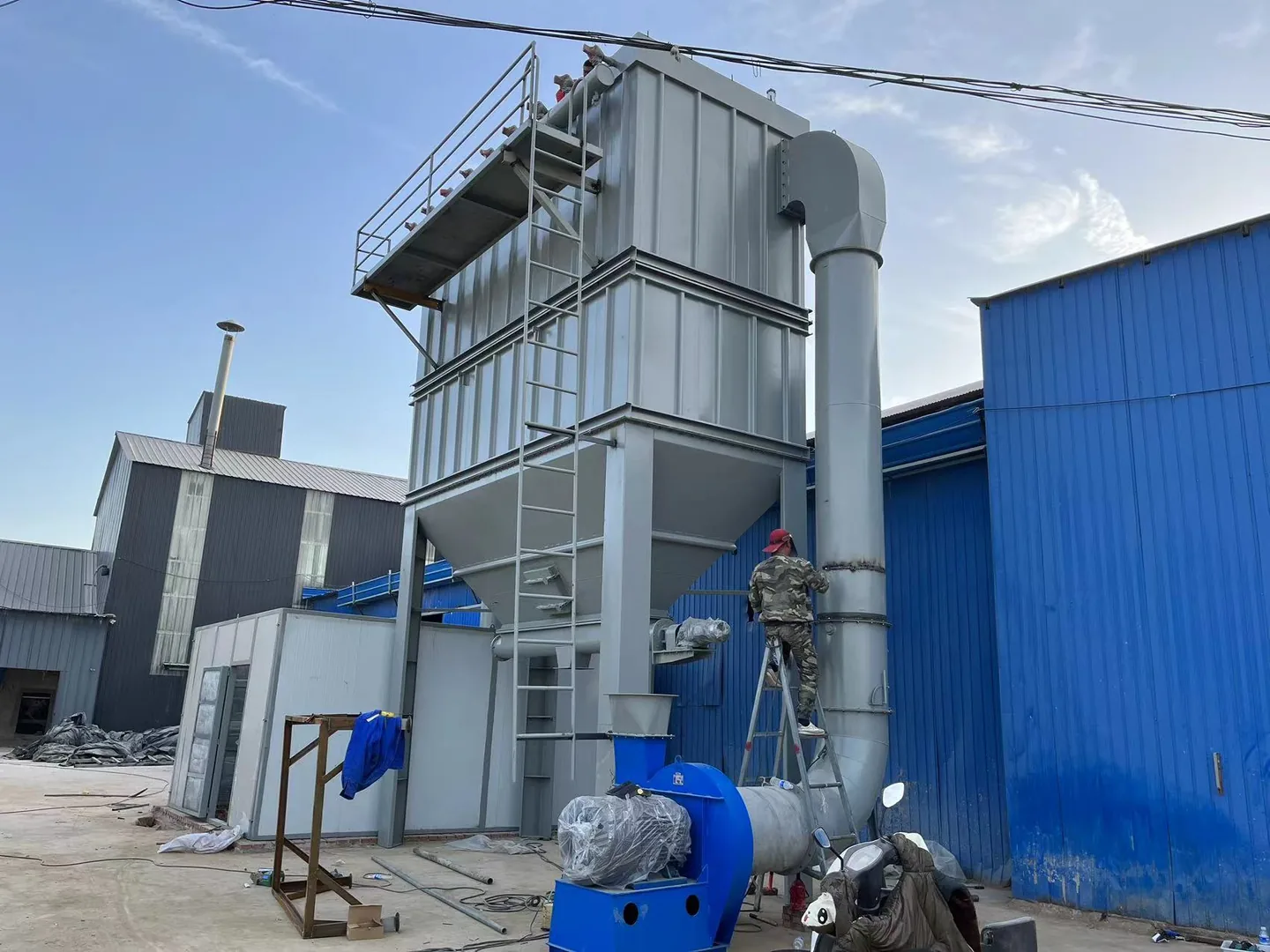
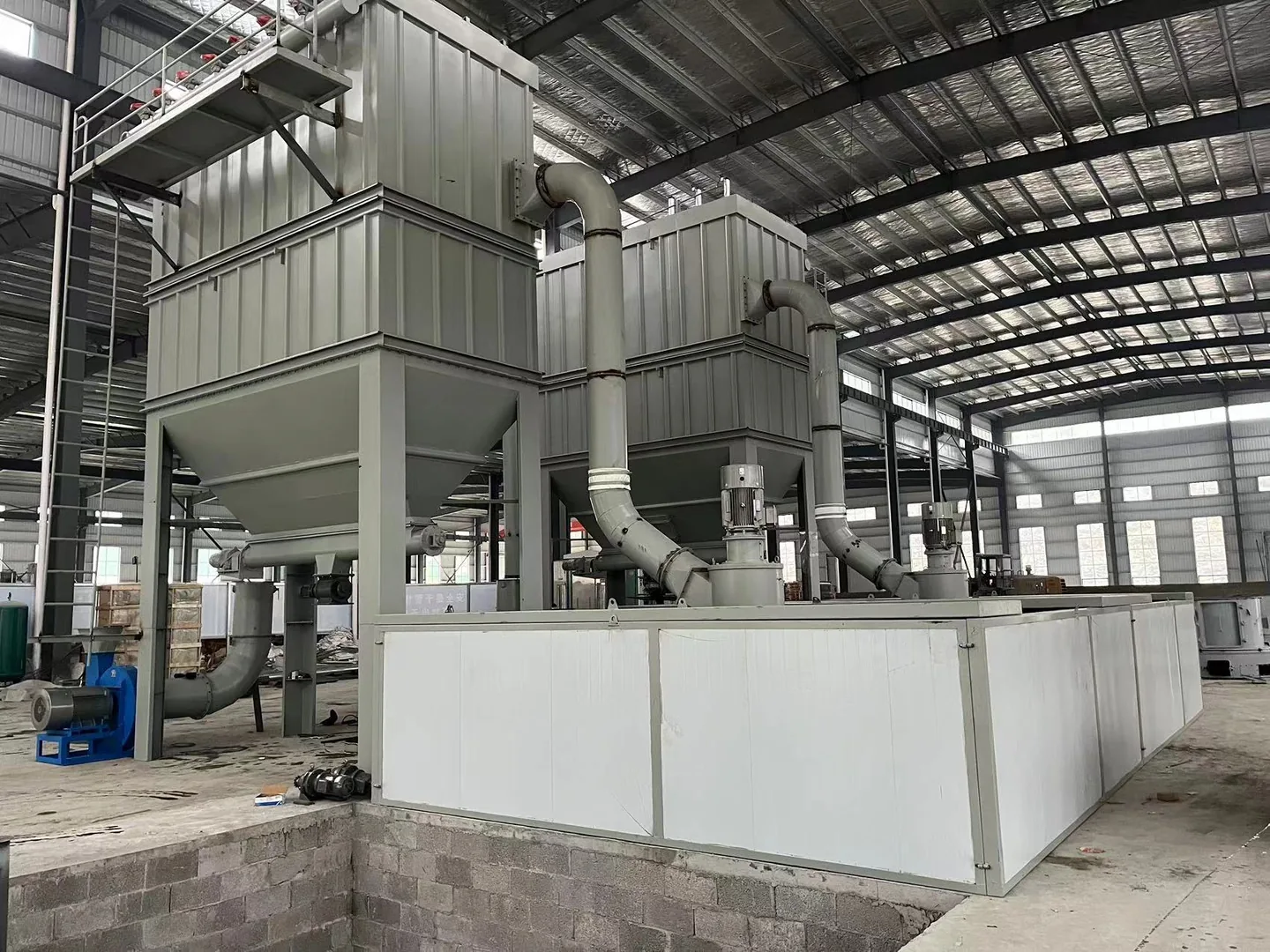
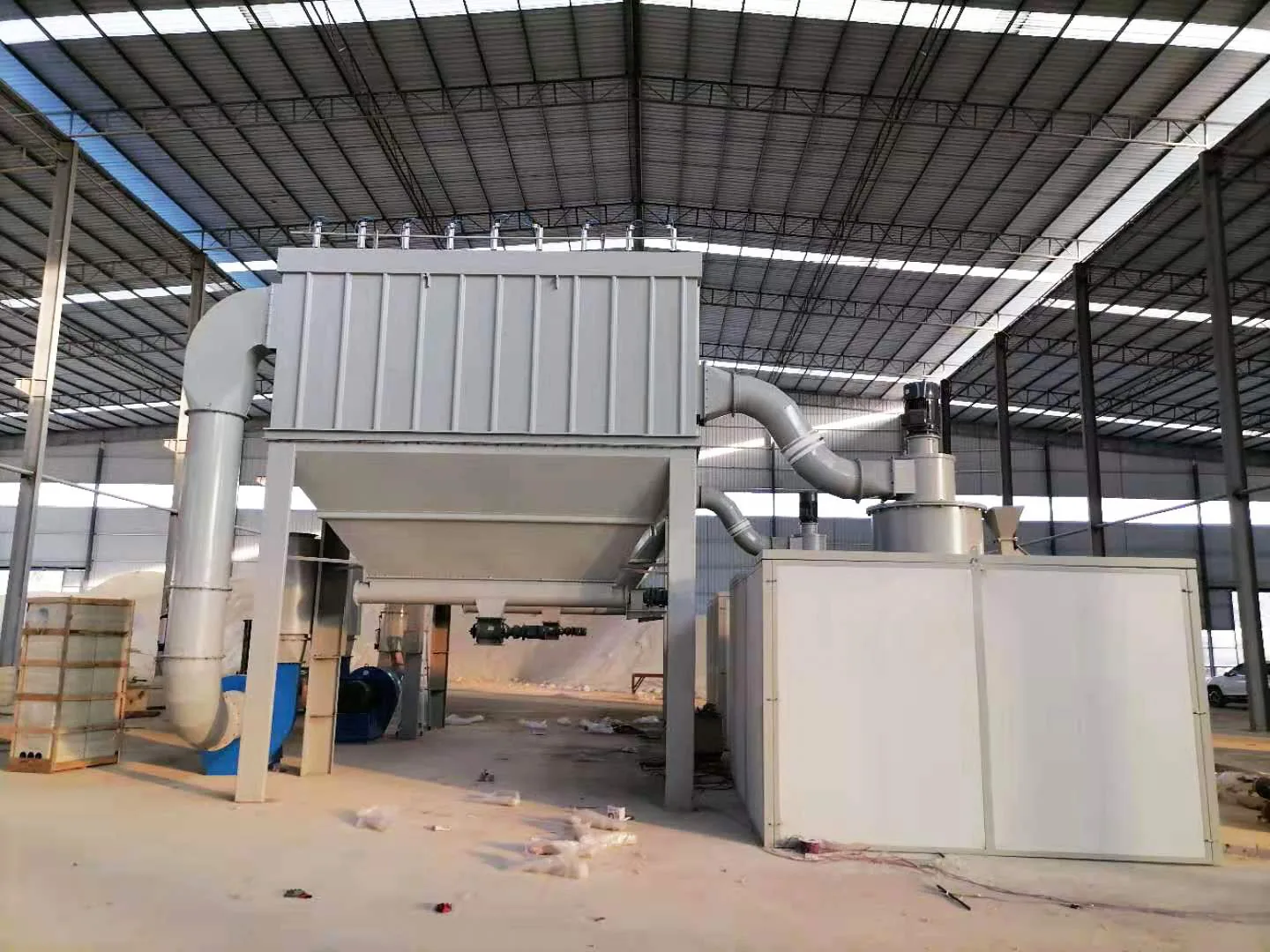
Workshop assembly, installed lines and field footage from Cronus projects.
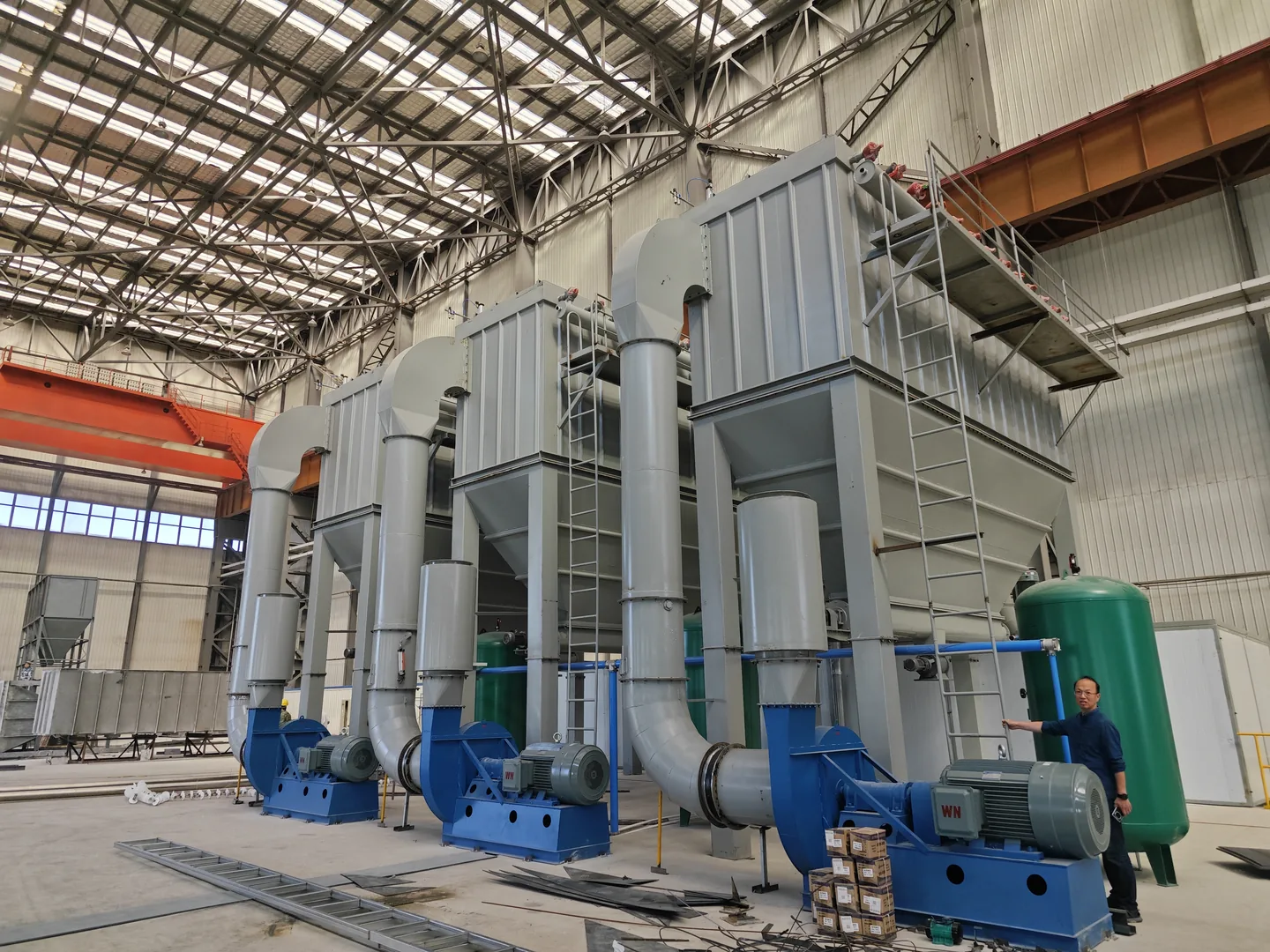
Parallel modules provide flexible capacity and make staged maintenance possible without redesigning the complete powder circuit.
06 / Process comparison
A Raymond mill remains a sound choice for many coarse powder duties. CRGM becomes more attractive when the specification moves finer and particle-size control becomes more demanding.
| Decision factor | CRGM ring roller mill | Conventional Raymond mill |
|---|---|---|
| Best-fit product range | Ultrafine powder, typically D97 5–45 μm | Fine to coarse powder, commonly 45 μm and above |
| Size control | Dynamic classifier with adjustable cut point | Classifier control; generally broader at ultrafine targets |
| Grinding action | Multi-stage rolling, pressing and shearing | Pendulum rollers against a grinding ring |
| Ultrafine efficiency | Designed for repeated high-frequency breakage | Throughput falls more sharply as fineness increases |
| System arrangement | Compact closed circuit with integrated collection | Mature, simple layout for general-purpose grinding |
| Choose when | Premium fine products, tight top size, multiple fine grades | Lower capital priority and a coarser finished product |
07 / Wear parts
Cronus supports the full service life with OEM drawings, a dedicated casting supply chain and fit-controlled replacement parts.
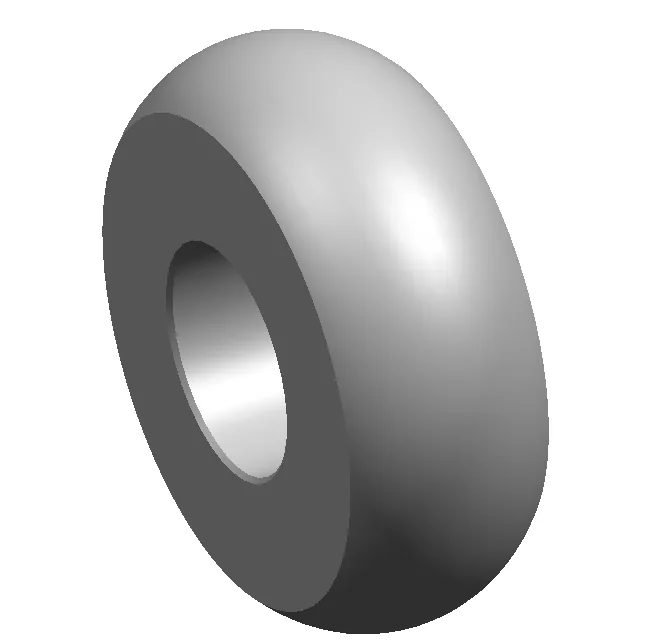
Wear-resistant alloy options matched to mineral abrasiveness.
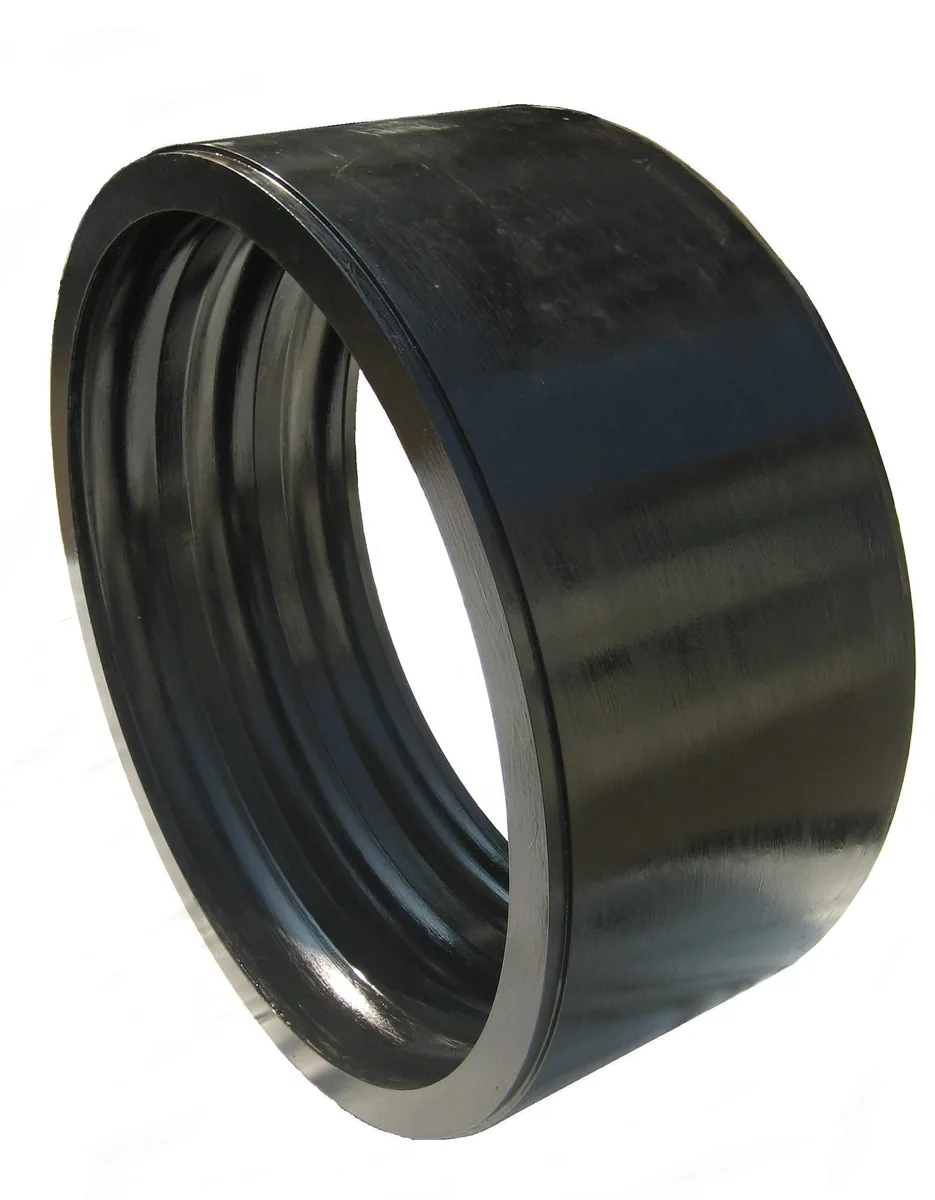
Controlled hardness and mating geometry for stable grinding.
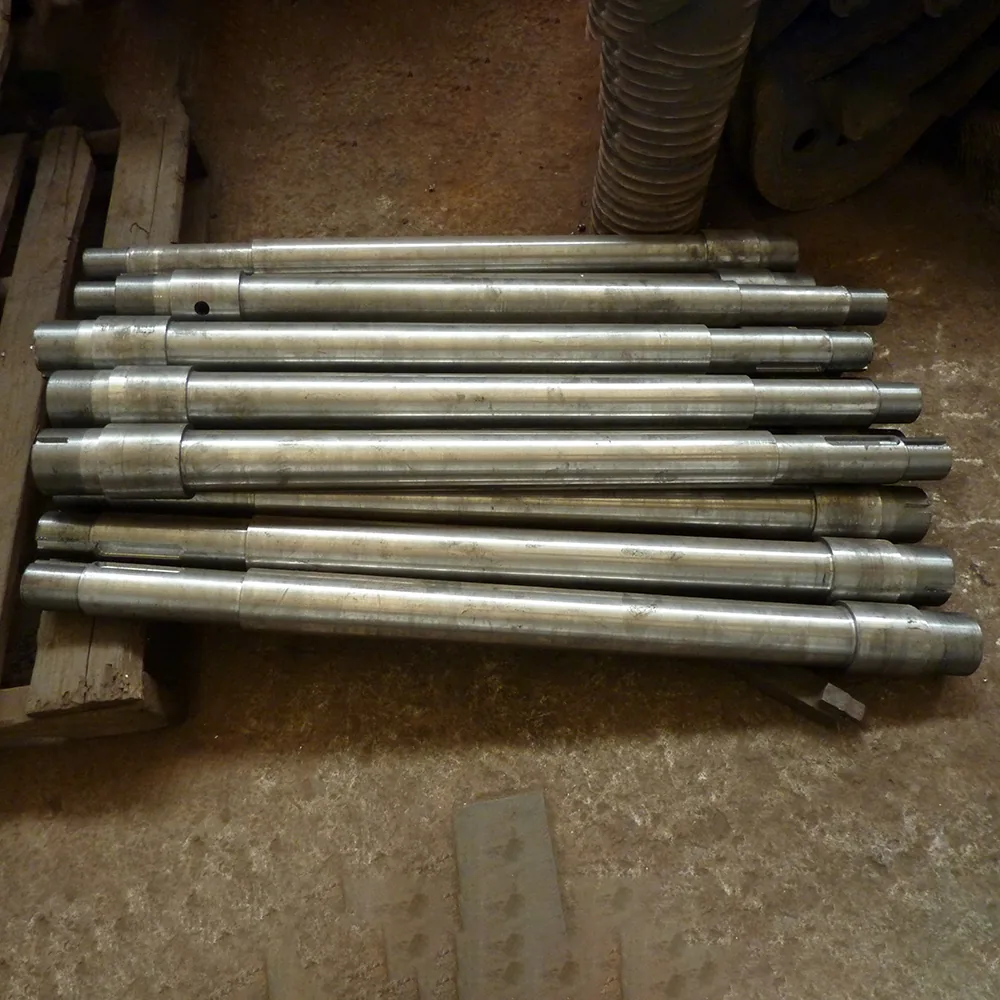
Machined and inspected against original assembly drawings.
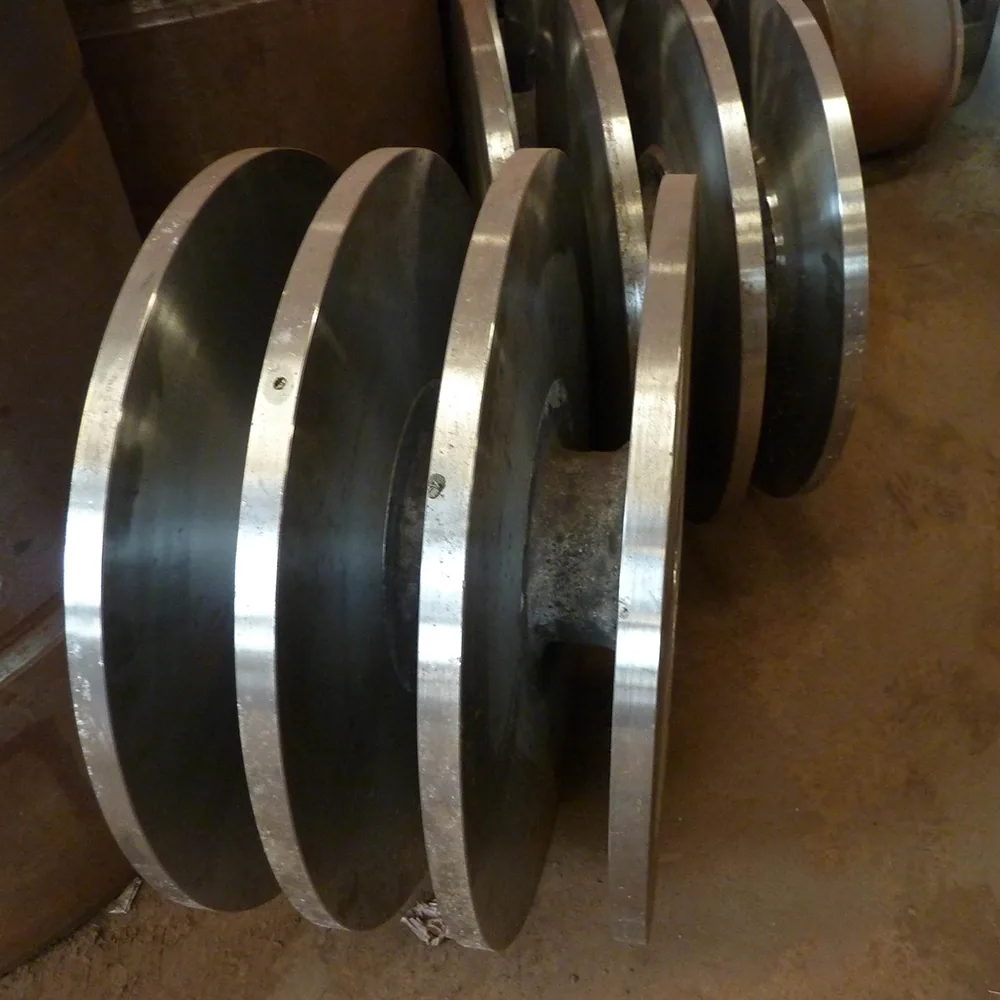
Balanced rotating assembly for reliable long-term operation.
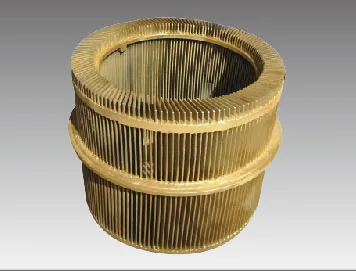
Precision geometry protects the product cut point.
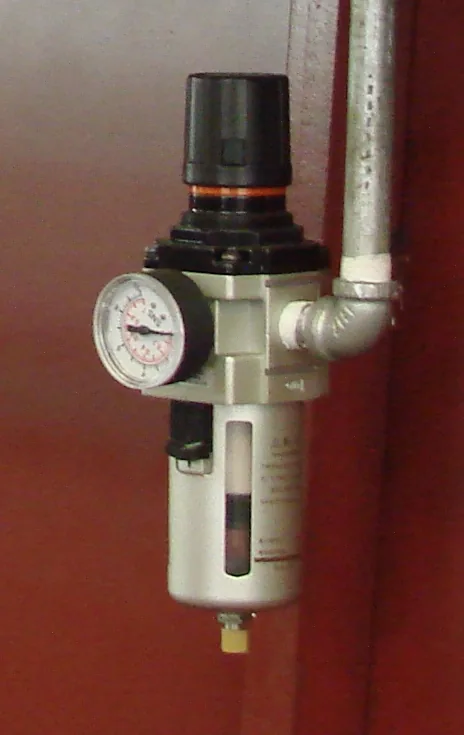
Correct media selection for temperature and powder behavior.
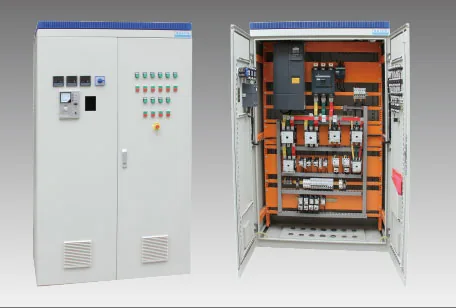
Documented components and practical replacement support.
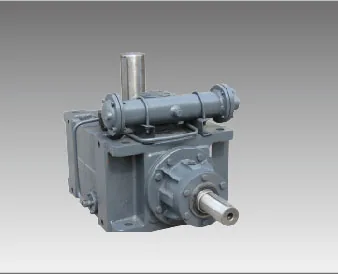
Matched reducers, couplings and bearings for the duty.
08 / About Cronus
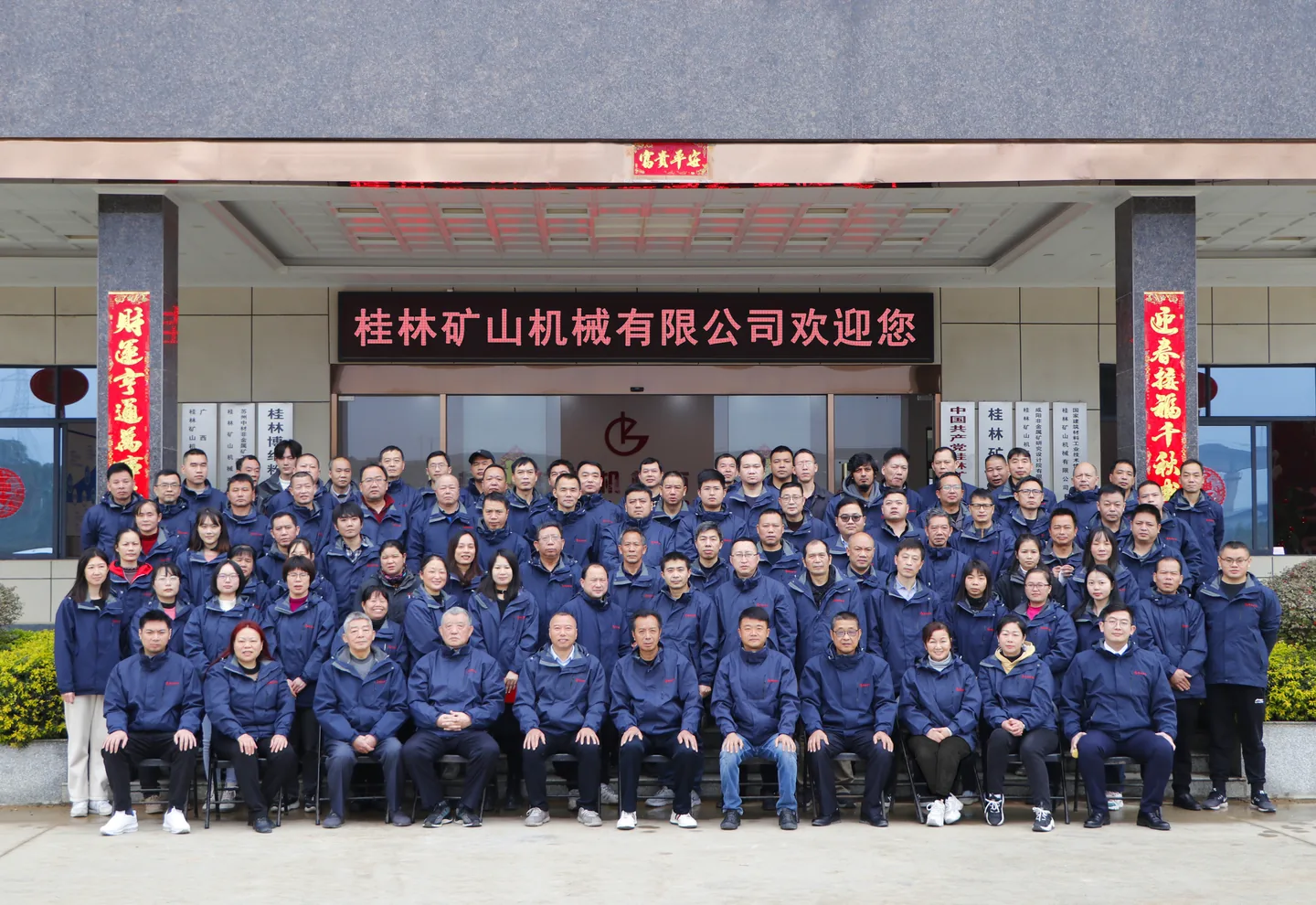
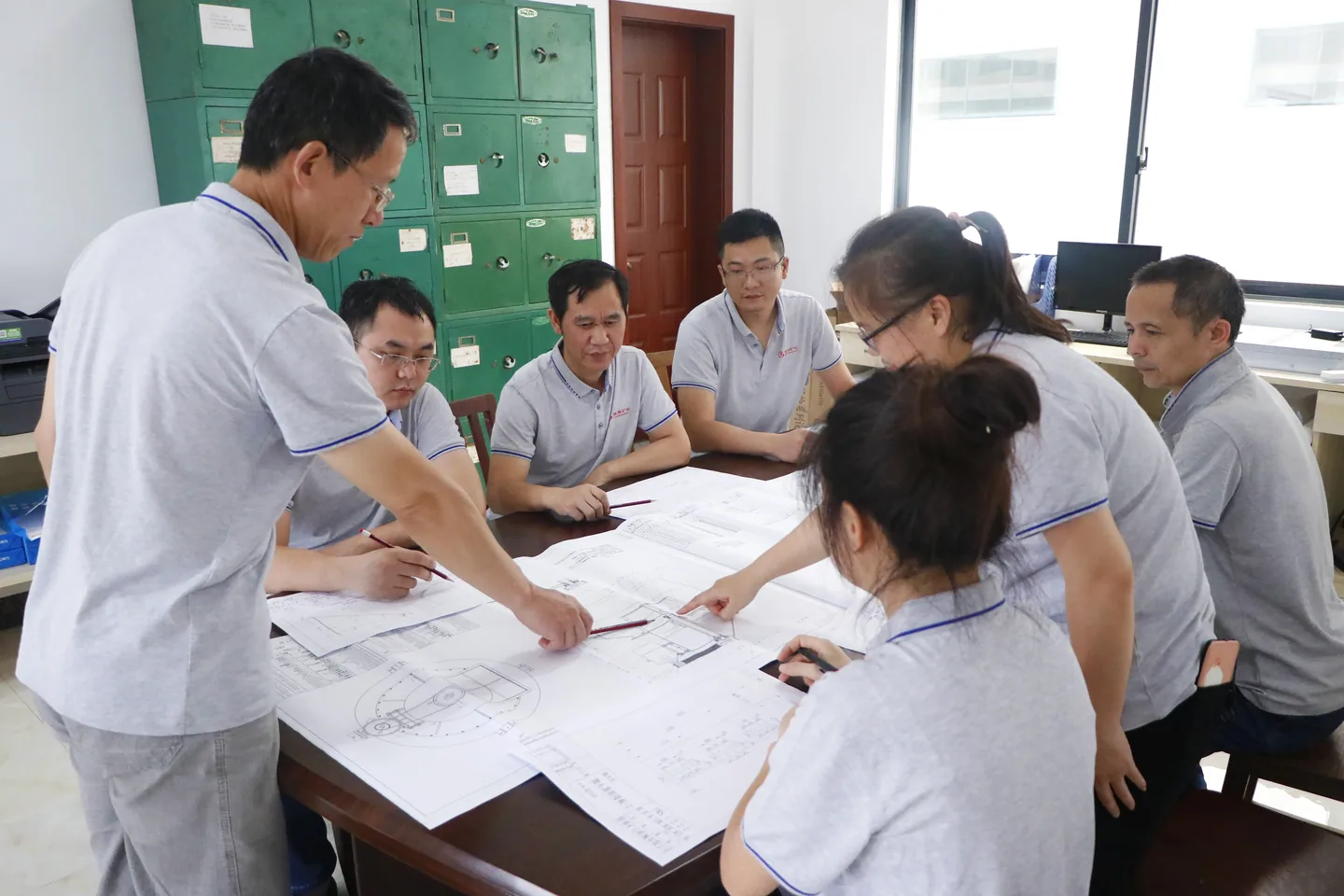
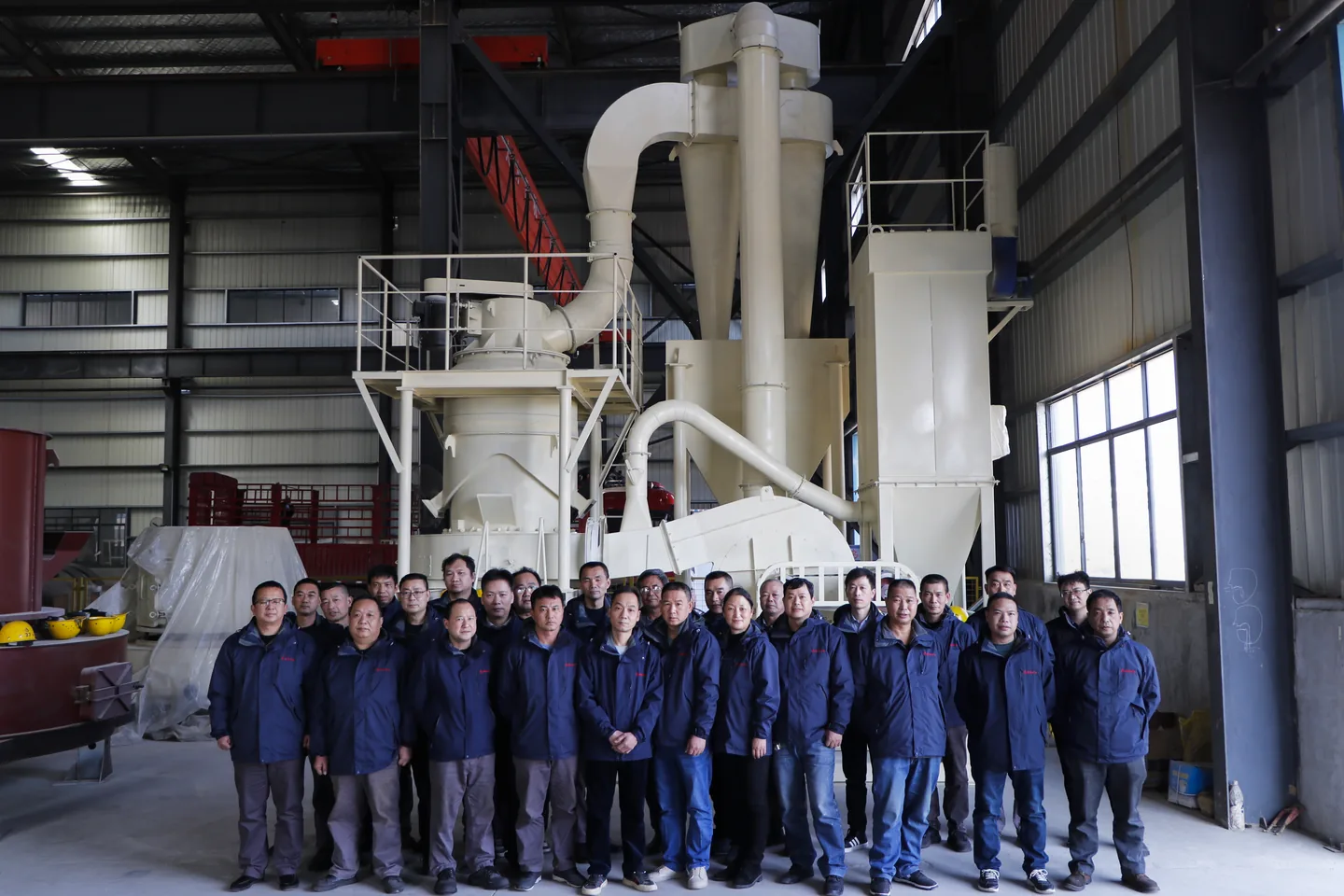
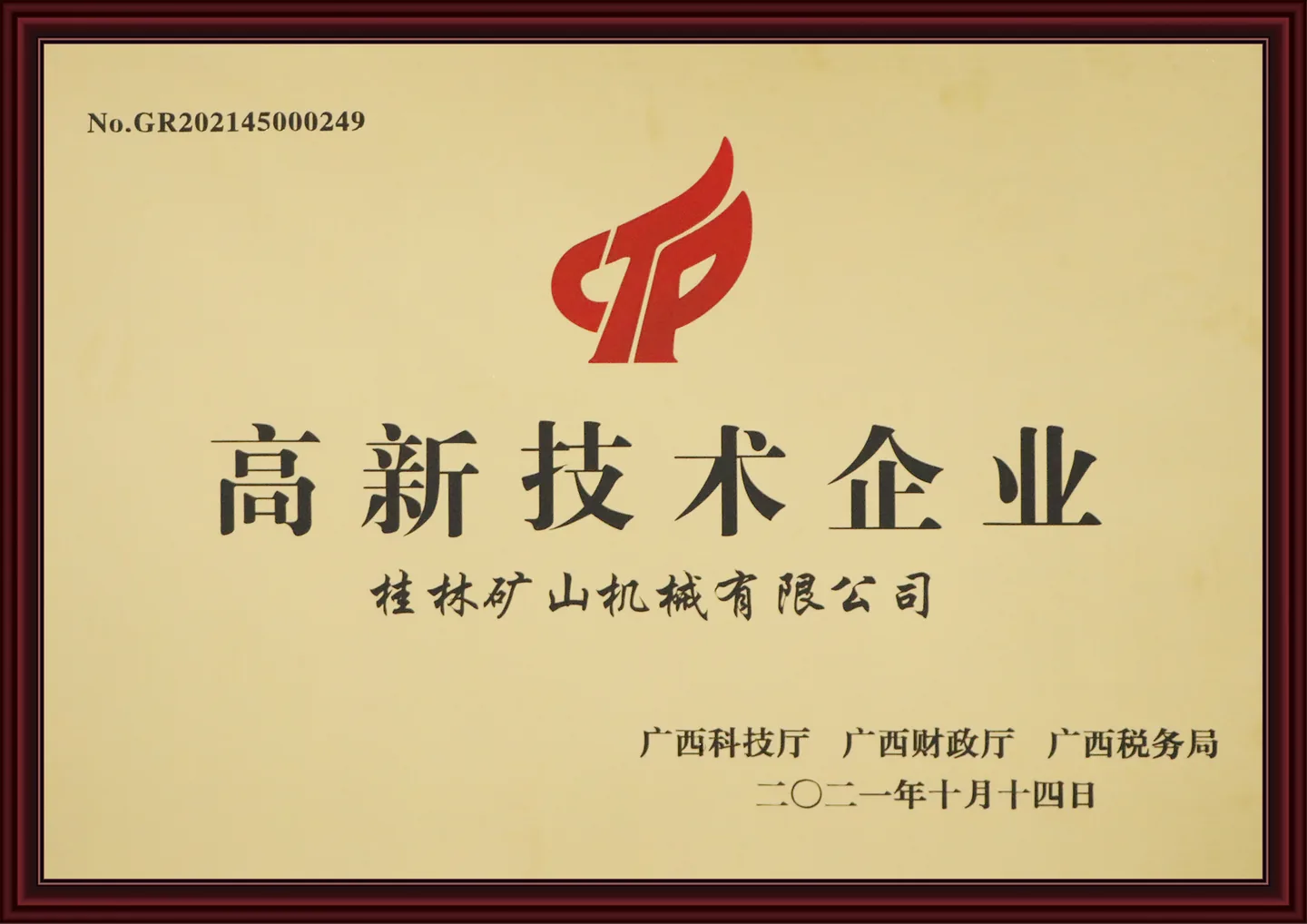
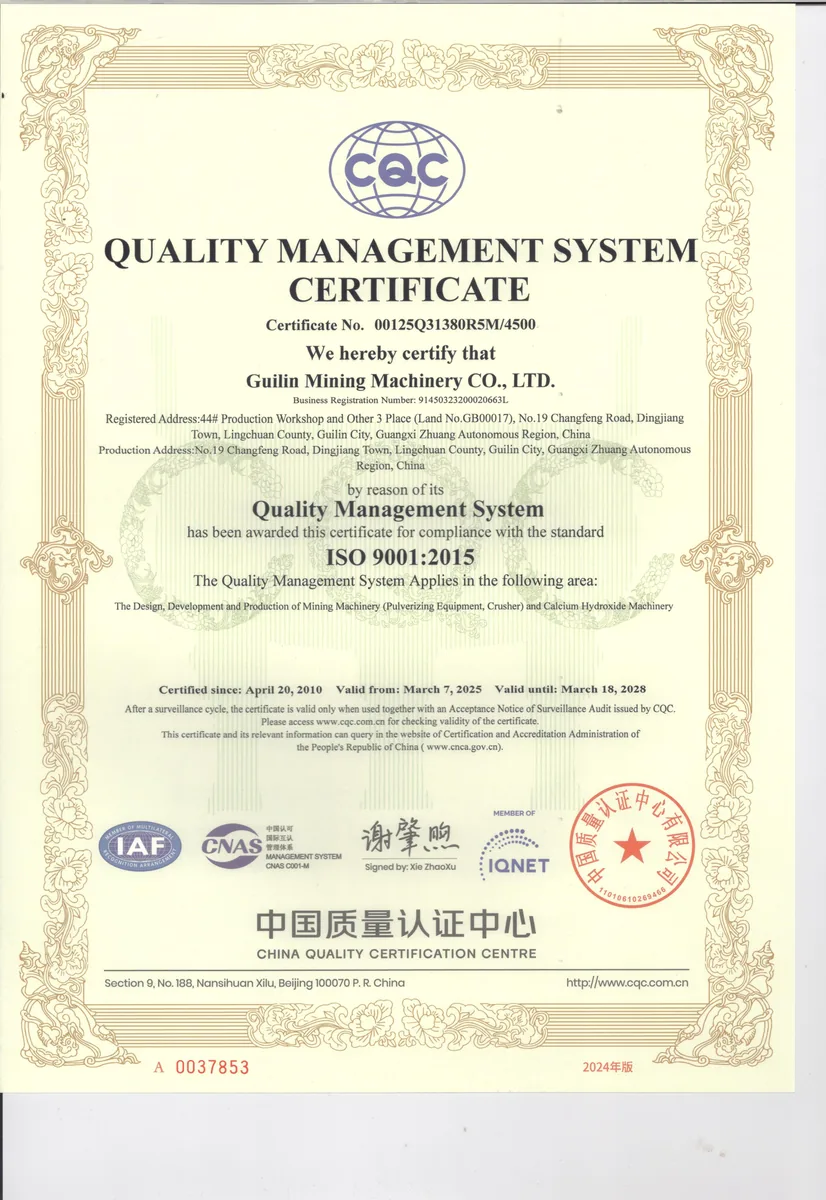
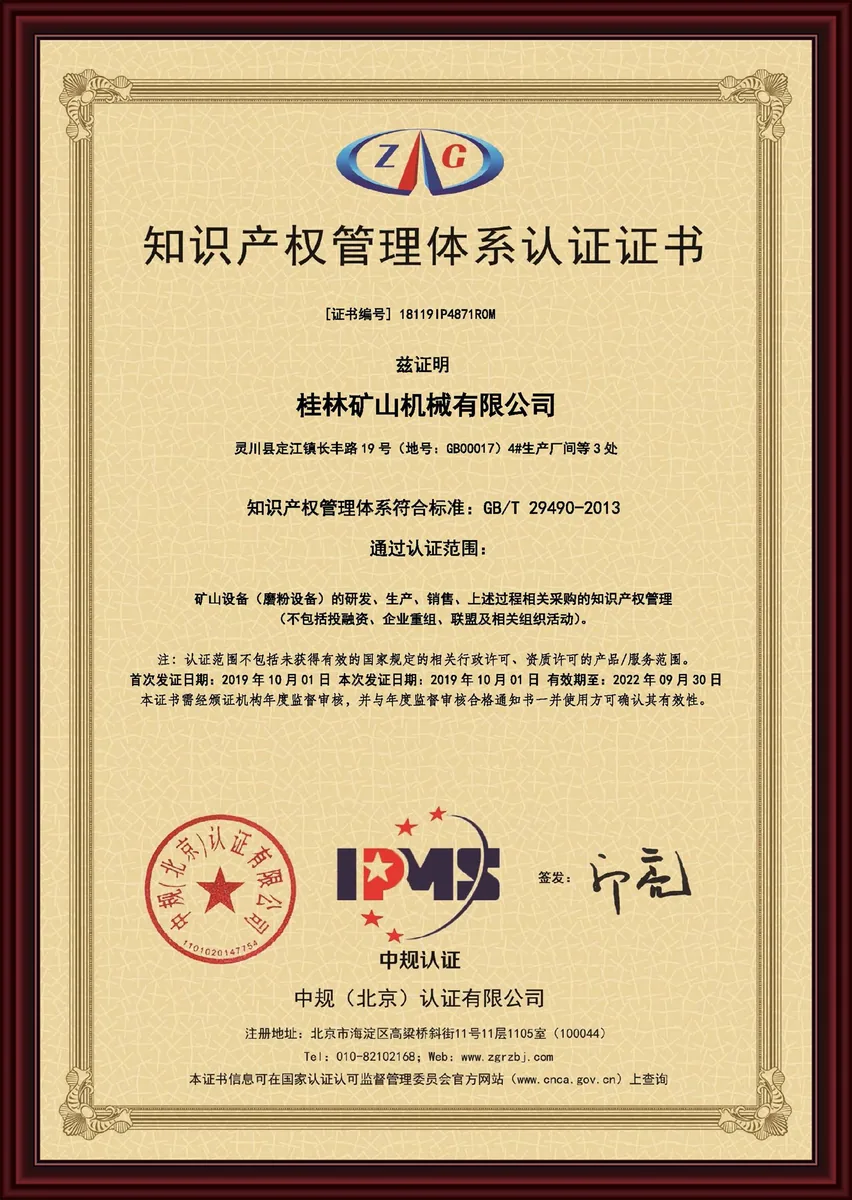
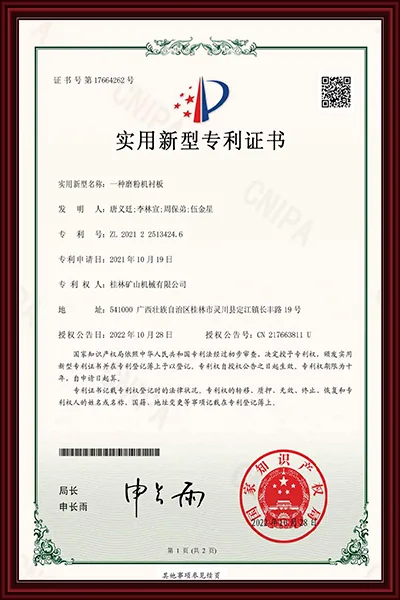
Cronus is a subsidiary of Guilin Mining Machinery Co., Ltd. The manufacturing organization was established in 1973 and has accumulated more than five decades of experience in powder grinding equipment.
From casting and machining to assembly, electrical integration and field service, the group keeps the critical stages of equipment delivery under coordinated control. Cronus connects that industrial base with international project communication and export support from Shanghai.
09 / Lifecycle service
Good mill performance begins with a complete process brief. Our service path keeps technical decisions visible from sample review through commissioning.
Feed chemistry, hardness, moisture, bulk density and target particle distribution.
Model selection, flow diagram, utilities, dust control and layout coordination.
Documented fabrication, assembly checks and factory acceptance preparation.
Foundation information, erection guidance, commissioning and operator training.
Remote troubleshooting, process optimization and planned spare-part supply.
10 / FAQ
These answers cover early-stage selection. Your formal proposal will define the material-specific process and performance basis.
Ask an engineerThe normal selection envelope is approximately D97 5–45 μm. The actual cut point and distribution depend on feed properties, classifier speed, airflow and circulating load.
Typical duties include calcium carbonate, limestone, dolomite, barite, talc, kaolin, gypsum, bentonite and wollastonite. The feed should normally be dry, brittle and non-explosive.
Selection starts with required throughput at the target fineness, then checks grindability, feed size, moisture and operating hours. CRGM1000 suits smaller or specialty lines, CRGM2000 covers mainstream production, and CRGM3000 serves higher-volume plants.
CRGM is optimized for ultrafine duty through multi-stage rolling and high-efficiency classification. Raymond mills remain effective for coarser products, but their capacity and efficiency generally reduce more sharply at very fine targets.
No. Published ranges are selection references. Capacity changes with hardness, feed PSD, moisture, bulk density and final fineness. A technical proposal defines the guaranteed basis for your material.
Yes. Product fineness is primarily adjusted through classifier speed and airflow, within the configured process window. Feed rate and mill load must remain balanced when changing grades.
Normally no. The dynamic air classifier separates qualified powder continuously and returns coarse particles to the grinding chamber.
The line works under negative pressure. Enclosed ducts transfer powder to a pulse dust collector, reducing fugitive dust when the system is correctly installed and maintained.
Common items include grinding rollers, grinding rings, pins, liners, classifier components, filter bags, seals and drive-related consumables. Wear rate depends strongly on mineral abrasiveness and operating practice.
Yes. A representative sample can be evaluated for grindability and process behavior. Include the target particle-size distribution, required capacity and intended application with your inquiry.
The core line requires electrical power and compressed air for pulse cleaning and controls. Depending on the feed, a dryer, cooling arrangement, magnetic separator or special dust protection may also be required.
Cronus can provide foundation and layout information, remote or on-site installation guidance, commissioning support, operator training and planned spare-part recommendations, subject to the project contract.
Provide material name and chemical analysis, feed size, moisture, Mohs hardness if known, desired D97 or mesh, required output, operating hours, site voltage and available plant space.
Start your selection
Send the six details below and our engineering team can prepare a practical model recommendation and process outline.